
Asia has experienced rapid economic growth since the 1990s, lifting more than a billion people out of poverty. Yet, inequality has also risen sharply, with many people continuing to face unequal access to essential services and opportunities.
Evidence from across the region shows that public services including health, education, social protection, care, digital inclusion, WASH and utilities—are powerful tools for reducing inequality and building more inclusive societies. However, access to equitable public services remains affected by deep structural barriers, including fiscal austerity, privatization pressures, regressive taxation, weak governance and external conditionalities. These challenges often intersect with gender, social and climate inequalities, disproportionately affecting vulnerable and marginalized communities.
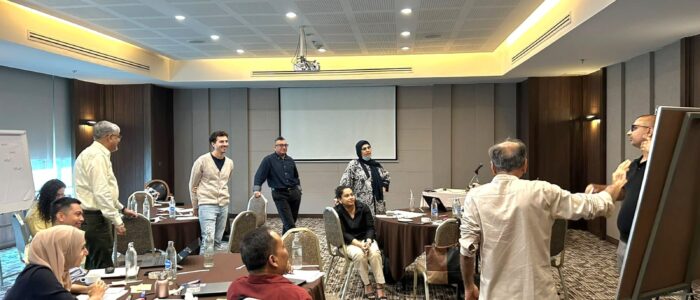
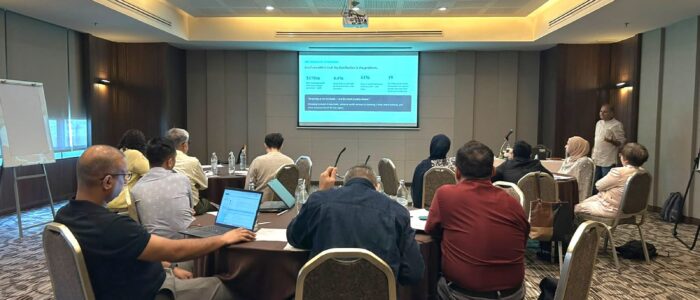
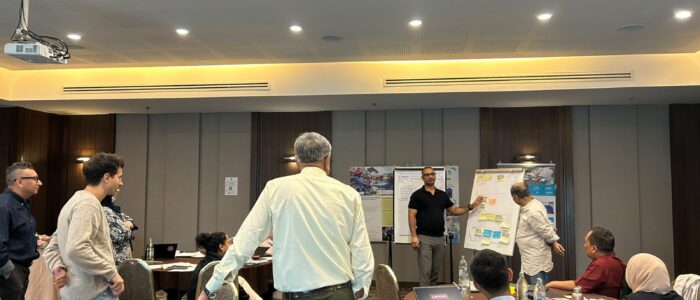
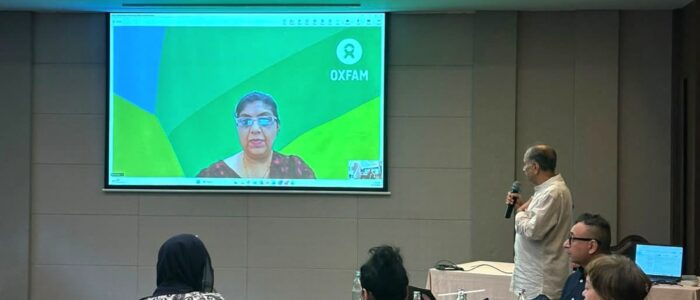
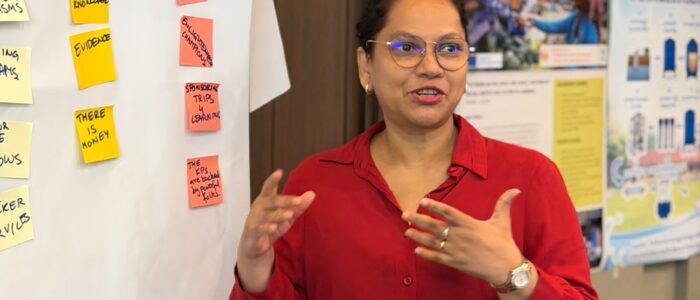
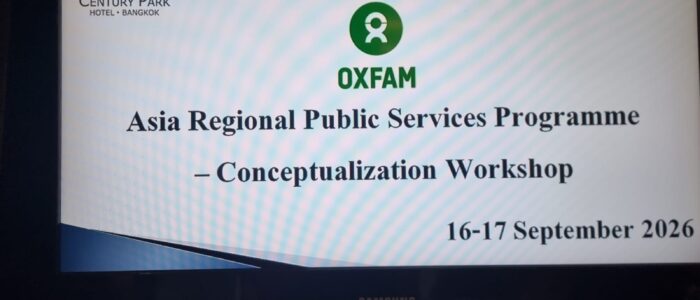
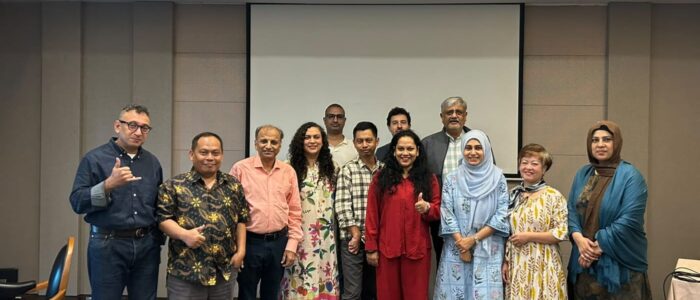
This week, our 𝐄𝐱𝐞𝐜𝐮𝐭𝐢𝐯𝐞 𝐃𝐢𝐫𝐞𝐜𝐭𝐨𝐫, 𝐂𝐡𝐚𝐦𝐢𝐧𝐝𝐫𝐲 𝐒𝐚𝐩𝐚𝐫𝐚𝐦𝐚𝐝𝐮, joined 𝐎𝐱𝐟𝐚𝐦 𝐢𝐧 𝐀𝐬𝐢𝐚, its regional advisors and country programme experts from Bangladesh, Vietnam, Cambodia, Indonesia, Myanmar and Timor Leste in Bangkok to 𝐜𝐨𝐧𝐜𝐞𝐩𝐭𝐮𝐚𝐥𝐢𝐳𝐞 𝐚𝐧𝐝 𝐝𝐞𝐯𝐞𝐥𝐨𝐩 𝐭𝐡𝐞 𝐀𝐬𝐢𝐚 𝐑𝐞𝐠𝐢𝐨𝐧𝐚𝐥 𝐏𝐮𝐛𝐥𝐢𝐜 𝐒𝐞𝐫𝐯𝐢𝐜𝐞𝐬 𝐏𝐫𝐨𝐠𝐫𝐚𝐦𝐦𝐞.
The proposed programme aims to operationalize Oxfam’s ‘𝐏𝐮𝐛𝐥𝐢𝐜 𝐅𝐢𝐫𝐬𝐭’ approach, which emphasizes the role of the state as a majority provider and regulator of essential public services and utilities. It is also an important pathway towards delivering Pillar 1 of the new Oxfam Asia Strategy—Accountable Governance and Digital Rights, with a 2030 goal of an Asia where access to public services is equitable and universal.
The discussions in Bangkok highlighted the importance of bringing together service provision and policy advocacy. Expanding coverage and improving the quality, accessibility and inclusiveness of public services must go hand in hand with efforts to secure sustainable public financing, promote progressive taxation, resist harmful privatization, strengthen public accountability and ensure that people have a meaningful voice in decisions affecting essential services.